Acupuncture in London SE12

Acupuncture in London SE12
Serving Lee, Hither Green, Blackheath, Grove Park and Chislehurst.
Struggling with persistent pain, emotional tension, or digestive issues that conventional treatments haven’t fully resolved? You’re in good company. Across SE12 and South East London, an increasing number of people are discovering acupuncture as a pathway to addressing multifaceted health concerns through a whole-person, research-supported approach. Our focus is on helping you achieve sustainable wellness, not just short-term symptom relief.
Acupuncture has established itself over the last fifty years as one of the world’s most trusted complementary therapies. This time-tested Chinese healing art has grown in tandem with contemporary scientific inquiry, supporting patients through diverse health challenges.
Here at our SE12 practice, we use acupuncture both independently and as a complementary component within broader treatment plans. Contemporary research and clinical evidence continue to validate centuries-old knowledge — acupuncture can activate the body’s innate healing capacity, supporting restoration of equilibrium, alleviating discomfort, and enhancing quality of life.
Developments including electro-acupuncture, ear acupuncture (particularly effective for substance dependency and pain management), and acupuncture’s use in anaesthesia have expanded this established healing system, creating meaningful connections between ancestral knowledge and current medical understanding.

The Mechanisms Behind Acupuncture
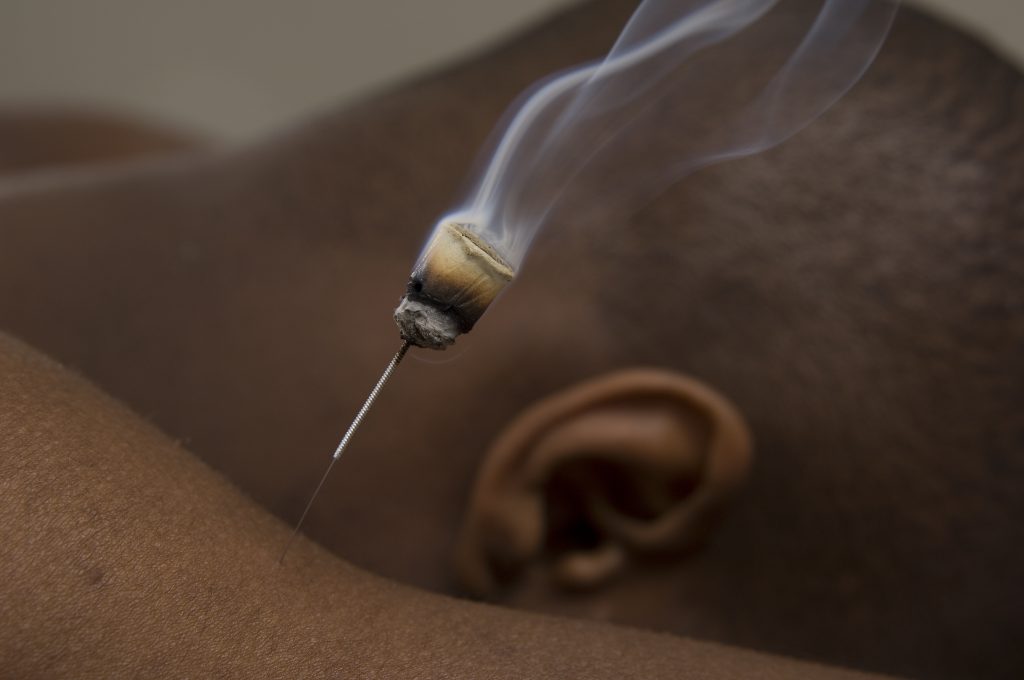
Acupuncture works through the careful placement of ultra-fine, sterile needles at particular body locations to stimulate healing processes. Traditional Chinese medicine teaches that these locations sit along energy pathways called acupuncture channels, jingluo, or meridians, which govern and circulate vital life force — referred to as Qi (say “chee”).
Through a contemporary lens, acupuncture points appear to interact with neural pathways, fascial networks, and biochemical messaging systems. Stimulating these precise locations can influence brain activity and endocrine function, creating observable shifts in neurotransmitter levels and stress-related hormones.
Though researchers continue investigating the complete picture, clinical practice repeatedly demonstrates that acupuncture facilitates physical recovery and enhances psychological wellbeing. Many patients also report experiencing profound emotional equilibrium or spiritual connection.
Acupuncture for Managing Pain
Pain relief remains the primary reason most people in SE12 seek acupuncture treatment. This therapy has proven effective for numerous painful presentations, including:
Much pain stems from muscular tightness or trigger points — localised areas of tension that generate discomfort elsewhere in the body. Acupuncture addresses these restrictions and rebalances tension patterns around joints, thereby diminishing pain and enhancing mobility.
Pain can also originate from nervous system dysfunction through various mechanisms. We’re equipped to help with this too, as acupuncture combined with specific neuromuscular manual approaches can assist your nervous system in recalibrating its body perception. Research using fMRI imaging has demonstrated that acupuncture produces central nervous system changes that modify pain perception.
Patients frequently observe that once muscular equilibrium returns and movement becomes easier, accompanying issues like exhaustion, tension, or disrupted sleep patterns also start resolving. NICE guidelines in the UK actually endorse acupuncture for persistent pain, headaches, and migraines. As British Acupuncture Council practitioners are regulated by the Professional Standards Authority, NHS physicians can refer to our services, though many remain unaware of this option.
Typical musculoskeletal pain sources include:
- Athletic injuries or repetitive strain patterns
- Postural misalignments and structural issues
- Excessive or insufficient use of particular muscle groups
- Tension patterns related to stress
Re-establishing Balance and Function
Consider a typical lower body pattern: tightness through the outer hip and thigh paired with weakness in the inner thigh muscles. This imbalance may trigger hip discomfort or kneecap tracking difficulties. Through releasing contracted tissues and strengthening underactive muscles, acupuncture alongside appropriate exercises can restore optimal function and eliminate pain.
For the upper body, you might notice tightness across your neck and shoulders — frequently connected to contemporary work positions and psychological stress. Tight trapezius and levator scapulae combined with weak deep neck flexors and shoulder stabilising muscles create “upper crossed syndrome.” This configuration can lead to neck pain, shoulder discomfort, and headaches or migraines.
By releasing contracted muscles and supporting the body’s inherent postural organisation, acupuncture improves movement capacity, decreases pain, and promotes overall vitality. At Acubody, we consistently complement acupuncture sessions with education and beneficial exercises when suitable.
Acupuncture for Stress and Emotional Health
Acupuncture for Stress and Mental Wellbeing
Beyond physical discomfort, acupuncture provides valuable support for those dealing with stress, anxious feelings, and emotional dysregulation. Mind and body exist in profound connection — chronic stress influences digestion, sleep quality, energy reserves, and immune competence.
Acupuncture soothes the nervous system, balances stress-related hormones, and reestablishes equilibrium. Patients commonly describe feeling profoundly calm following sessions and observe enhancements in mood, concentration, and emotional strength. This can positively influence management of numerous complex health presentations known to worsen under stress, including digestive, respiratory, and autoimmune conditions.
When you’re experiencing combined musculoskeletal, digestive, and psychological symptoms, acupuncture provides a genuinely integrative solution. By targeting underlying causes and sometimes overlooked contributing factors, appropriate treatment allows symptoms to diminish and remain resolved long-term.
Hormonal, Digestive & Autoimmune Disorders — What the Research Shows
Hormonal, Digestive & Autoimmune Conditions — The Evidence Base
Emerging scientific research indicates acupuncture may also benefit hormonal, digestive, and autoimmune presentations, though evidence quality and robustness differ.
Digestive Conditions / Functional Gastrointestinal Disorders (FGIDs): A comprehensive meta-analysis reviewing 61 randomized controlled trials demonstrated that acupuncture significantly improved outcomes for conditions including irritable bowel syndrome (IBS), functional dyspepsia, and constipation when compared with standard care, pharmaceutical treatment, sham acupuncture, or no intervention. PubMed
Autoimmune Presentations: Narrative reviews and current research indicate acupuncture may decrease inflammatory markers, regulate immune responses (including Th1/Th2, Th17/Treg balance, macrophage polarization), and support conditions such as rheumatoid arthritis, ulcerative colitis, Crohn’s disease, and experimental autoimmune thyroiditis. PubMed | Frontiers
Hormonal & Women’s Health Concerns: Certain randomized trials (examining menopausal vasomotor symptoms such as hot flushes, for instance) indicate acupuncture can decrease symptom intensity, though not necessarily occurrence rates, compared with placebo or control groups. Evidence remains inconsistent and frequently constrained by limited participant numbers. Pubmed
While acupuncture isn’t a universal solution, these research findings suggest meaningful potential as part of comprehensive care strategies. An experienced acupuncturist familiar with current evidence can develop treatment approaches addressing hormonal, digestive, and immune dysregulation safely and effectively.
Experience Acupuncture Benefits in South East London
If you’re seeking a qualified acupuncturist in SE12, (serving Lee, Grove Park, Hither Green Blackheath and Chislehurst) our practice delivers exceptional acupuncture care within a peaceful and welcoming setting. Every session is customised to your individual requirements — whether you’re healing from injury, addressing stress, or working to restore your innate balance.
Associated Techniques
-
Complementary Techniques
Additional therapeutic modalities available and frequently integrated with acupuncture at our SE12 clinic include:
- Chinese Herbal Medicine
- Cupping
- Moxibustion
- Tui Na
- Acupressure
- Chinese dietary therapy
- Gua Sha
- Electro-acupuncture
- Auricular acupuncture
More detailed information is accessible through the links below if you’d like to learn more.
- Channels of Acupuncture
- Acupuncture points
- History of Acupuncture
- Acupuncture and Qi
- Theory of Acupuncture
- Science and Acupuncture
Frequently Asked Questions About Acupuncture in SE12
Q: How does acupuncture work for chronic pain in SE12 London?
A: Acupuncture addresses chronic pain through multiple mechanisms recognized by modern science. When ultra-fine needles are inserted at specific acupoints, they stimulate the nervous system to release natural pain-relieving chemicals including endorphins and enkephalins. The treatment also influences fascia (connective tissue) and releases muscular trigger points that often generate referred pain in distant areas.
At our SE12 clinic, we frequently treat persistent back pain, neck tension, shoulder problems, knee pain, and hip discomfort. Research using fMRI imaging shows acupuncture produces measurable changes in brain activity that modify pain perception.
Many patients in South East London notice that alongside pain reduction, related symptoms like poor sleep, fatigue, and stress also improve. The UK’s NICE guidelines recommend acupuncture specifically for chronic pain conditions, and as British Acupuncture Council members, we provide evidence-based treatment that NHS doctors can confidently refer to.
Q: What conditions can acupuncture treat besides pain in SE12?
A: Acupuncture in SE12 effectively addresses a wide spectrum of conditions beyond musculoskeletal pain. The World Health Organization recognizes acupuncture for over 100 different health presentations.
At our SE12 practice, we commonly treat digestive disorders including IBS, functional dyspepsia, and constipation — supported by meta-analysis of 61 randomized controlled trials showing significant symptom improvement.
We also specialize in women’s health issues such as menstrual irregularities, fertility support (both male and female), menopausal symptoms including hot flushes, and period pain. Mental health support is another key area: acupuncture helps regulate the nervous system for stress, anxiety, and insomnia by balancing stress hormones and promoting deep relaxation.
Additionally, we treat autoimmune conditions, hormonal imbalances, headaches and migraines, respiratory issues, and complex multisystem presentations where symptoms span digestive, emotional, and physical domains. Our integrative approach combining acupuncture with Chinese herbal medicine and neuromuscular therapy makes us particularly effective for patients with layered, interconnected health challenges.
Q: Is acupuncture in SE12 safe and does it really work?
A: Yes, acupuncture is both safe and effective when performed by qualified practitioners. At our SE12 clinic, we use only sterile, single-use needles and I am a fully trained, regulated member of the British Acupuncture Council, which is overseen by the Professional Standards Authority.
Safety studies show serious adverse events from acupuncture are exceptionally rare — far lower than most pharmaceutical interventions. Regarding effectiveness, substantial clinical evidence supports acupuncture’s benefits. NICE (National Institute for Health and Care Excellence) guidelines specifically recommend acupuncture for chronic pain, tension headaches, and migraines.
Scientific research demonstrates acupuncture can reduce inflammatory markers, modulate immune responses, and influence neurotransmitter levels. Meta-analyses of randomized controlled trials confirm significant improvements for conditions like IBS, chronic pain syndromes, and various functional disorders. Most patients describe the treatment as deeply relaxing rather than painful — the needles are very thin and insertion is generally imperceptible.
At our SE12 practice, we’ve witnessed consistent transformations across diverse health presentations over 20+ years exoerience. Treatment duration varies by individual and condition complexity, but many patients notice improvements even after the first session, with progressive benefits as treatment continues.