Myofascial Release Therapy in Holborn & Grove Park

Myofascial Release in London
Are you looking for a myofascial release therapist in London? Acubody provides individualised myofascial release therapy for people experiencing muscle tension, stiffness and movement restrictions.
At Acubody, we specialise in myofascial release and acupuncture, and our myofascial release therapist Duncan has degree level training (Graduate Diploma) and over 20 years clinical experience working with patients pain, dysfunction and postural issues.
Myofascial release is considered a neuromuscular technique since research is showing how its effects are due to nervous system reflexes.
What is the Fascia?
The fascia is a connective tissue that surrounds and is integral to the musculoskeletal system. The ‘myo’ in myofascial means muscle. The fascia is loaded with specialised mechanoreceptors- that monitor pressure, stretch and movement- and we now know that the fascial system is not just something that binds us together, but a living active part of movement coordination.
Effects like softening of the muscles, mobilising and freeing up of the connective tissue are a reaction from the stimulation of these specialised receptors in the fascia.
How Does The Fascia Affect You?
The fascia can thicken, become stiff or its planes can get stuck together due to injury, repetitive strain or postural habits. This then restricts movement, leading to stiffness and discomfort.
Since the fascia is also structural, over time this can contribute to postural and biomechanical imbalances which affect sitting, standing and walking gait. When we have restrictions like this which affect our movement this can cause other problems related to overloaded joints or tissues, like tendinopathy, bursitis or in the long term arthritis. Therefore it is a good idea to improve mobility and structural balance early to prevent such problems.
A lot of practitioners claiming to practice myofascial therapy have attended only a short course and are not delivering the real thing. For example in order to proper grip and load the fascia you cannot use oil, so if someone claiming they are doing myofascial therapy uses oil, its incorrect, that’s a deep tissue massage
How Does Myofascial Release Help You?
It is a useful therapy for dealing with all sorts of restriction in the muscles and tissues, it has an amazing capacity for relieving muscle pain, and can help restore postural imbalances.
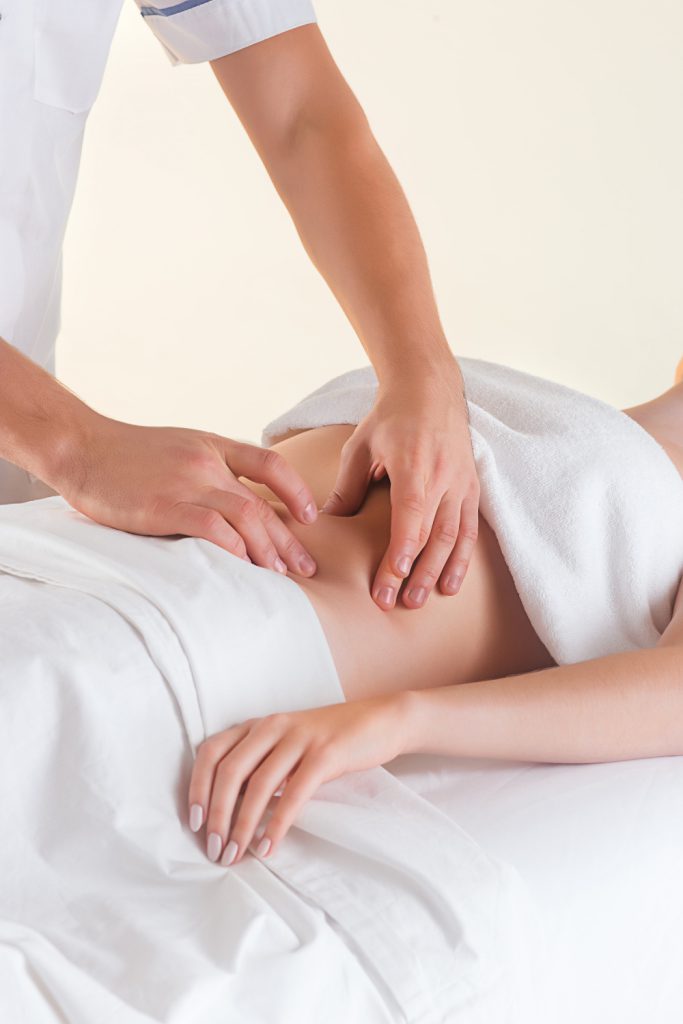
Myofascial release therapy involves pressure on the body tissues in a specific direction, slowly building up to a point of resistance. The pressure is then maintained and the tissue allowed to relax, effectively releasing tension in the muscle unit.
It is currently thought that the directional pressure applied induces the peripheral nervous system to release the muscle. It can be effective in any problem featuring tight muscle tissue, and is very effective in relieving myofascial (i.e. muscular) pain.
In addition to this as it can change the structure of the posture by freeing up movement, myofascial release creates a space that the body can move into and reclaim. This means the positive effects of treatment are usually more profound and longer lasting than massage therapy.
Myofascial Pain Syndrome Treatment in London
Myofascial pain syndrome is associated with persistent muscle pain and sensitive areas often described as trigger points. Symptoms can include localised pain, referred discomfort, stiffness and restricted movement.
At Acubody, myofascial pain syndrome treatment begins with an assessment of symptoms, movement patterns and relevant medical history. Depending on individual needs, Duncan may consider myofascial release alongside neuromuscular techniques and movement-based rehabilitation.
Treatment aims to support comfort and movement, although outcomes vary and persistent or unexplained pain should receive appropriate medical assessment.
Active Myofascial Release
Duncan, the myofascial release therapist in London often uses active participation of the clients. While performing the technique movements are cued to facilitate mobility in order that you become more aware of your body and ways of moving.
The movement is initially guided, but clients often instinctively find movements which feel good and are encouraged to use them.
Movement also helps the release of the tight tissues by encouraging blood flow and stimulating those special receptors and introducing new movement patterns. This crosses over into what are called active release techniques.
Where Does Myofascial Release Come From?
Myofascial release techniques have grown and developed from the work of Ida Rolf in the 1920’s who called her therapy structural integration, but which was labelled Rolfing after her. There are a number of styles and schools of this work: Rolfing, Hellerwork, KMI- Anatomy Trains.
There is also a separate style of myofascial created by an American called John Barnes which is applied more gently and slowly.
Duncan was trained by a Hellerworker in the structural integration style, but with additional training in other neuromuscular bodywork systems. You can talk to our myofascial release therapist in Holborn & Grove Park during consultation, or contact us to ask any questions to understand the techniques further.
Additional benefits offered by myofascial release
Muscle relief is not the sole benefit of myofascial release. Our myofascial release therapist is very experienced, and through the implementation of different techniques, you can also enjoy the following benefits:
- The therapy improves the range of motion by releasing restrictions in the fascia. Myofascial therapy enhances the motion in your joints and ensures you enjoy pain-free, more efficient movement.
- Duncan will closely work with you to balance muscle tension and enhance movement patterns, coordination and flexibility so you can enjoy improved athletic performance.
- The therapy triggers a relaxation response that helps in reducing anxiety and stress and boosts one’s overall well-being. Some people report a helpful effect processing past stress or trauma.
- By reducing muscle tension and ensuring a calm state of mind, myofascial release can often contribute to improved sleep quality.
- Injury is prevented because this therapy addresses the imbalances in the muscle system, enhances flexibility and, along with movement training, improves motor patterns.
Acubody’s approach to myofascial release
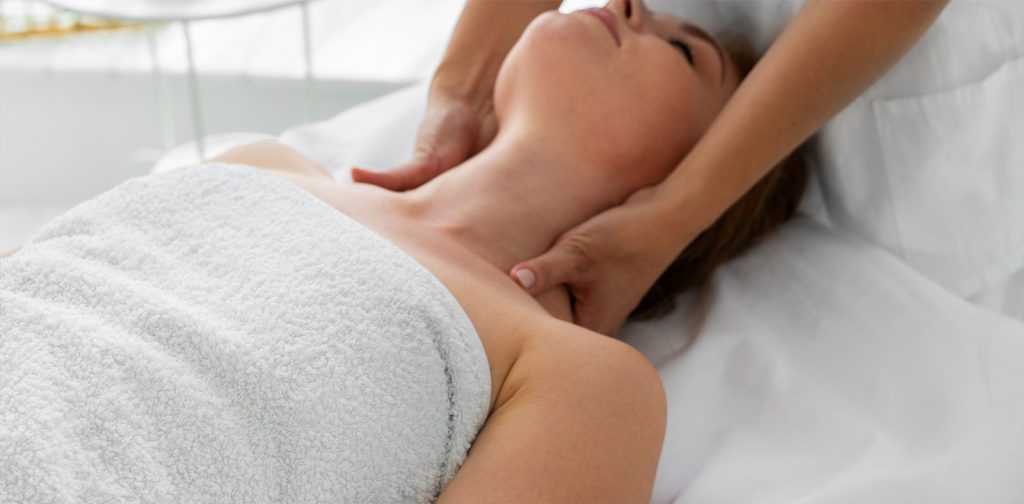
At Acubody, we are experienced and highly trained therapists. We offer tailor-made treatment plans to address specific needs and meet specific goals. If required, our therapists combine this therapy with other techniques like exercises and acupuncture. We guarantee a holistic approach to ensure your well-being is boosted. Our treatment starts with a consultation to analyse your specific requirements and health issues.
Are you considering myofascial release in London?
If you are experiencing limitations in your movement, stiffness or muscle pain, myofascial release therapy will be a valuable addition to your wellness routine. Come to Acubody to experience myofascial release in London. We will assess your specific needs and personalise the treatment to help you achieve the best results.
What Happens During a Myofascial Release Session?
A myofascial release appointment at Acubody begins with a consultation about your symptoms, medical history, movement restrictions and treatment goals.
Duncan may use sustained, directional pressure on selected tissues and guide you through gentle movements where appropriate. Treatment is adapted to your individual assessment and may be considered alongside rehabilitation exercises or acupuncture treatment in London when suitable.
The appointment also provides an opportunity to discuss treatment options, expected sensations and any questions about the techniques being used.
About Your Myofascial Release Therapist
Duncan McGechie has practised myofascial and neuromuscular bodywork since 2006 and acupuncture since 2003. His professional qualifications include BA, MSc, Grad Dip, MBAcC, MRCHM, MISRM and FHEA.
Duncan’s approach combines hands-on bodywork, individual movement assessment and guided participation where appropriate. His training includes structural integration and other neuromuscular bodywork methods.
At Acubody, treatment is tailored to the person’s symptoms, movement restrictions and goals rather than following a standardised routine.
You can learn more about Duncan’s training and clinical background on his practitioner profile.
Myofascial release is a hands-on therapy that uses sustained pressure and movement techniques to address muscle and connective tissue tension. At Acubody, treatment is adapted to the individual's symptoms, mobility and assessment findings.
Myofascial release may help some people manage muscle discomfort, tension and movement restrictions associated with myofascial pain syndrome. Results vary, and persistent symptoms may require medical assessment and other treatment approaches.
There is no fixed number of sessions. Treatment frequency depends on your symptoms, medical history, goals and response. Duncan discusses an individual treatment approach following an initial assessment.
Both involve hands-on techniques, but myofascial release typically uses sustained, directional pressure and may incorporate guided movement. Deep tissue massage generally focuses on deeper muscle layers. Techniques can overlap depending on the practitioner.
You can book myofascial release therapy with Duncan McGechie at Acubody in London. For appointment options, visit our location and prices page or use the online booking system.