Stress Related Conditions
Acupuncture for stress uses fine needles in specific places guided by an individualised diagnosis to influence the autonomic nervous system and the hormonal pathways involved in the stress response. Research suggests it can help with anxiety and sleep, although trial results vary. At Acubody in London, we pair acupuncture with bodywork and mindful movement coaching to help your system settle out of constant alert.
In short
- Stress is a whole body response. Long periods of it can affect sleep, digestion, muscles and immune function.
- Acupuncture appears to modulate autonomic and hormonal pathways. Most of the detailed evidence comes from animal studies.
- Trials show benefit for anxiety and insomnia symptoms. Results vary and many trials are small.
- Treatment works best alongside movement, rest and lifestyle changes like limits on screen time.
- Severe or persistent symptoms need a GP review.
Why does long-term stress affect the whole body?
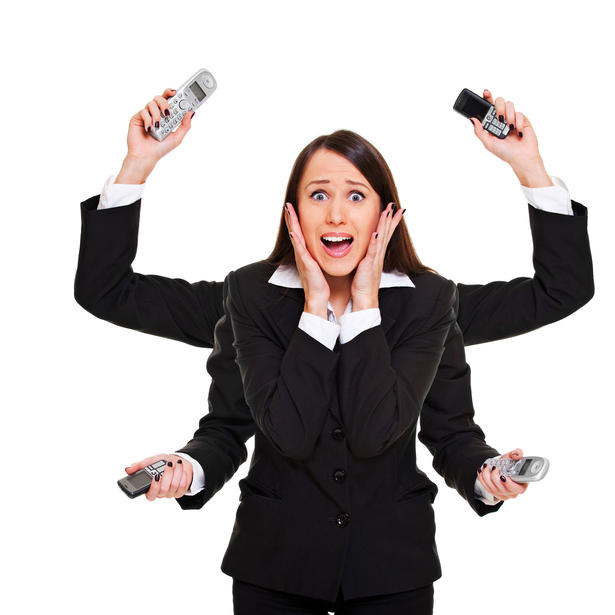
It seems more people are stressed than ever. In practice, we often see people overloaded by desk work, smartphones and a constant flow of information. Attention is pulled outward, the body sits still, and the stress response never gets to finish.
Reviews describe three linked stress systems: the autonomic nervous system, the hypothalamic-pituitary-adrenal (HPA) axis and the immune system. Short bursts of stress are normal and useful. When stress continues for months, the feedback loop that switches cortisol off can weaken leading to chronic stress people may describe as feeling overwhelmed, hunted or on edge. Tissues also respond less to the anti-inflammatory action of cortisol, which tips the body toward inflammation (Nunez et al., 2025).
How does stress affect sleep?
Activation of the HPA axis and the sympathetic nervous system promotes wakefulness (Han et al., 2012). That helps when you face a threat and does not help at 2am. A 2023 meta-analysis of eight longitudinal studies, covering 3,733 adults, found that perceived stress led to more rumination and worry. Worry accounted for about 40% of the link between stress and poor sleep (Annals of Behavioral Medicine, 2023). In clinic, we often meet people who are exhausted and still cannot switch off, their minds racing with worries or to-do lists. See our insomnia page.
How does stress affect digestion and IBS?
The gut and brain are closely wired together. A 2023 Journal of Physiology review describes how stress changes gut movement, sensitivity, barrier function and the gut microbiota, and may raise the risk of gut disorders. This brain-gut link helps explain why irritable bowel syndrome (IBS) symptoms often flare in stressful periods. You can read an IBS case study or visit our IBS and digestive page.
Can stress affect the immune system and autoimmune disease?
A Swedish registry study followed more than 100,000 people diagnosed with a stress-related disorder, such as PTSD or an adjustment disorder. They had a higher later risk of autoimmune disease than matched people (hazard ratio 1.36) and than their own siblings (1.27) (Song et al., JAMA 2018). This shows an association and does not prove cause. Reviews propose that HPA axis disruption is one possible route.

What other problems do we see with stress?
In clinic we see that stress often coexists with other conditions as a factor. Sometimes it seems quite clear that stress is one of the causes of the symptom or syndrome, and at other times a condition itself may be the cause of stress and worry.
Anxiety and depression. Long periods of stress often bring chest tightness, palpitations, shallow breathing, nausea or a sense of dread, sometimes with low mood and low energy. [LINK TO ANXIETY AND DEPRESSION PAGE WHEN LIVE]. The charity Mind lists acupuncture as a complementary therapy that some people report finding useful, although says it is not clear whether it helps mental health problems on its own. It recommends choosing a practitioner registered with a body such as the BAcC which is regulated by the Professional Standards Authority (Mind).
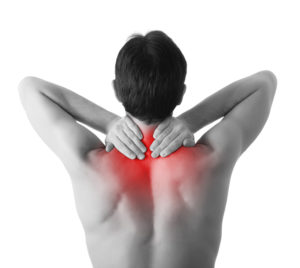
Neck and shoulder tension. Under stress, many people tighten the neck and shoulders. The muscles stay braced for action, nothing releases them, and the tension builds. We work on this with acupuncture, myofascial release and neuromuscular therapy. See our neck pain page.
Headaches. Stress can contribute through trigger points in the neck and shoulders that refer pain to the head, through jaw clenching, and through raised blood pressure. See our headache page.
Lower back pain. Hours of sitting shorten the hip flexor and hamstring muscles and load the lower back. Stress adds tension on top. Our sacroiliac pain case study shows one approach, and our back pain page has more information.
Period pain and premenstrual tension. Many people notice that period pain and premenstrual symptoms worsen in stressful months. The physiological link is less direct than for other problems. In Chinese medicine, stress and frustration stop qi flowing smoothly, a pattern called constraint, which tends to affect the Liver qi and we use this to guide treatment. See our case study and women’s health page.
Hair loss. Stress can contribute to hair shedding. In mice, chronic stress hormones kept hair follicle stem cells resting for longer (Harvard Stem Cell Institute summary of Choi et al., Nature 2021). Human evidence is less complete. We have seen shedding settle in some people as their stress eased. That is clinical observation and not trial evidence.
How does acupuncture work to help stress?
No single mechanism explains it. Researchers have studied three pathways, mostly in animal models.
- Autonomic balance. Heart rate variability (HRV) reflects the balance between the sympathetic and parasympathetic branches of the nervous system. A 2023 meta-analysis found that real acupuncture raised parasympathetic tone more than sham (Hamvas et al., 2023). A 2025 meta-analysis of ten trials found a modest gain in one HRV measure (Frontiers in Neuroscience, 2025).
- Hormonal pathways. In chronically stressed rats, electroacupuncture at ST36 blunted HPA axis activity, and a blocking drug cancelled the difference between groups (Eshkevari et al., 2015). In rats under immobilisation stress, electroacupuncture at HT3 and PC6 reduced the rise in blood pressure, heart rate, noradrenaline and adrenaline. Control points did not (Yang et al.).
- Nerve pathways. In mice, low intensity electroacupuncture at ST36 drove a vagal pathway that releases adrenal catecholamines and dampened inflammation. High intensity stimulation engaged the sympathetic system instead (Liu et al., Nature 2021).
In people, the picture is less clear. Data on cortisol, adrenaline and noradrenaline in people are very limited. It seems that stimulating different points may upregulate or downregulate depending on the specific situation. So we can say acupuncture can modulate autonomic and hormonal pathways. We cannot not claim it lowers or raises a particular hormone.
What does the research say about acupuncture and stress?
Most trials measure symptoms that stress produces, such as anxiety and poor sleep.
- A 2026 meta-analysis found that manual acupuncture reduced anxiety more than sham acupuncture and more than usual care or waiting lists. Results varied widely between trials, and the authors call for more research (Journal of Clinical Psychology, 2026).
- A 2025 meta-analysis of ten sham-controlled trials found better sleep quality, insomnia severity and sleep efficiency scores. Total sleep time did not differ, and the trials were small (Frontiers in Neurology, 2025).
- A 2019 meta-analysis of 41 trials found that acupuncture beat Western medicine for IBS symptoms. It did not clearly beat sham needling (Zheng et al., 2019).
A note on sham controls. Sham needling is not inert. Light needling still stimulates skin and nerves, and in a review of sham-controlled pain trials, sham acupuncture itself beat routine care or a waiting list (Journal of Pain Research review). So a trial where real and sham perform alike does not show that acupuncture does nothing. There is more information around these issues on our research page..
What happens in a session?
Treatment at acubody therapies usually combines acupuncture with myofascial release, neuromuscular therapy or movement coaching, because stress is held in the body as well as the mind. We also talk through sleep, screen time and movement, and set measurable goals. Our consultation page explains the first visit and our prices page lists fees. This page was written by Duncan McGechie, MSc Chinese Medicine, 23 years in practice, member of the BAcC, the British Medical Acupuncture Society, the Register of Chinese Herbal Medicine and the Institute of Sports and Remedial Massage.
Who may this not be suitable for?
Acupuncture is not a replacement for medical care. See your GP if stress comes with chest pain, fainting, unexplained weight loss, persistent low mood or thoughts of harming yourself. In a crisis, call NHS 111 or Samaritans on 116 123. Tell us if you take blood thinners, have a bleeding disorder or a metal allergy, or have a pacemaker, as this affects which acupoints and techniques we use.