 by admin
 10 July 2026
Properly managing medical waste protects both patients and staff in any healthcare setting. Sharps disposal is a non-negotiable part of this process. Hospitals, specialty clinics, and acupuncture practices must all handle needles, scalpels, and other sharp instruments safely to comply with regulations and prevent injuries. Rigorous disposal protocols cut down the risk of needle-stick accidents and limit exposure to bloodborne pathogens.
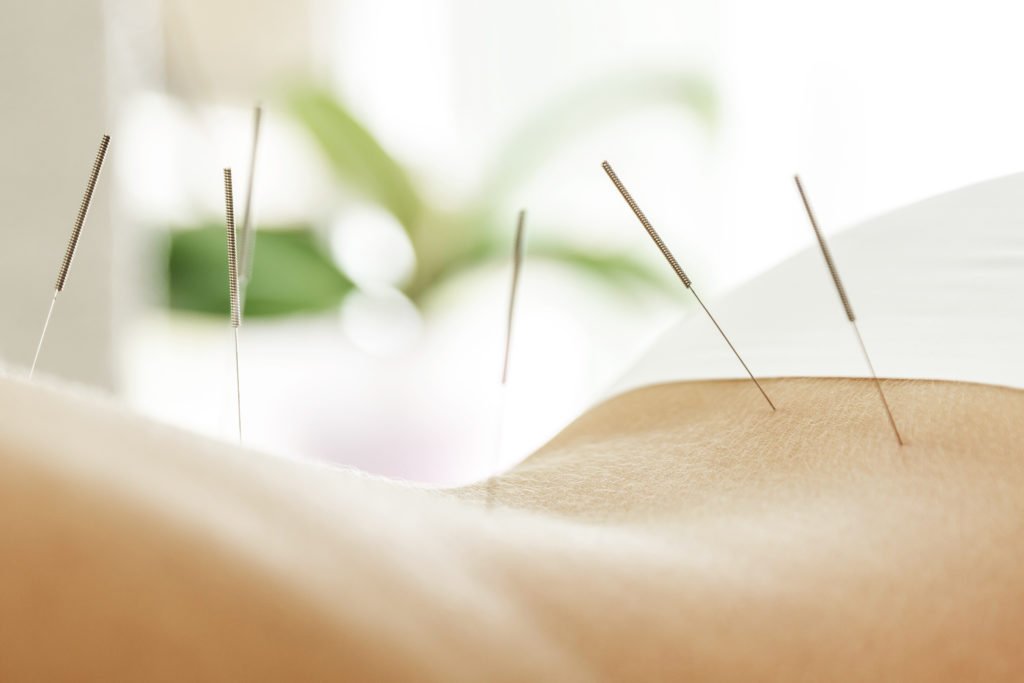
Acupuncture clinics go through a significant volume of needles every day. Practitioners use thin, sterile needles to help restore equilibrium and improve overall health, but those needles require careful handling once a session ends. Safe disposal keeps clinic staff, cleaning crews, and patients safe. If you want to understand more about the treatment process, this acupuncture guide explains the holistic healing approach in detail. Establishing a reliable disposal system is the foundation of a secure clinical environment.
The Importance of Immediate Segregation
Segregating sharps at the point of use is a core safety practice. Every treatment room should have an accessible sharps container. Practitioners must never walk across a room or down a hallway carrying an exposed, used needle. Keeping disposal containers within arm’s reach drastically reduces the chance of accidental injuries during transit.
These containers must meet specific standards. They need to be puncture-resistant, leak-proof on the sides and bottom, and clearly labeled or color-coded—usually red—to identify the hazardous material inside. Staff should never overfill them. A standard practice is to seal and replace a sharps container once it reaches three-quarters full. Forcing more items into a nearly full container frequently leads to preventable injuries.
Training and Protocol Adherence
Equipment only works when staff know how to use it. Healthcare facilities must train everyone—from experienced practitioners to new hires and support teams—on proper sharps disposal protocols. This training needs to cover how to use disposal containers, why recapping needles is dangerous, and what immediate steps to take if an accidental needle-stick occurs.
In acupuncture practices, where the treatment involves inserting thin, sharp needles into the upper layers of skin, practitioners need to stay alert. The repetitive nature of the work can lead to complacency, so regular refresher courses are necessary. Building a culture of safety and accountability helps clinics maintain high standards and protect everyone in the building.
Choosing the Right Disposal Partner
Disposal doesn’t end when you seal the sharps container. Facilities must work with certified medical waste disposal companies to process and destroy the waste according to local, state, and federal rules. These specialized companies have the right equipment to transport, treat, and dispose of biohazardous materials safely.
When choosing a disposal partner, check their credentials and track record. A reliable company provides clear documentation, including manifests and certificates of destruction, which you need for regulatory compliance and audits. They can also help optimize waste segregation, which might lower costs while improving safety.
Environmental Considerations and Sustainability
Healthcare facilities are paying more attention to the environmental impact of medical waste. Safety is still the priority, but many clinics are looking for sustainable waste management options. This includes cutting down on unnecessary packaging and using reusable sharps containers where regulations allow.
Reusable containers are emptied, sanitized, and returned to the facility, which keeps a significant amount of plastic out of landfills. However, using them requires strict sanitization protocols to prevent contamination. Facilities have to balance the environmental benefits against the logistical demands to decide what works best for them.
Regulatory Compliance and Audits
Dealing with medical waste regulations is a mandatory part of running a healthcare facility. Agencies like the Occupational Safety and Health Administration (OSHA) and the Environmental Protection Agency (EPA) enforce strict guidelines for handling and disposing of sharps. Failing to comply can lead to heavy fines and damage a facility’s reputation.
Regular internal audits help maintain compliance. These audits should check the placement and condition of sharps containers and verify that disposal records are complete. Identifying and fixing potential issues early helps facilities avoid penalties and keeps the environment safe for staff and patients.
Creating a Culture of Safety
Effective sharps disposal requires a facility-wide commitment to safety. Leadership must prioritize safety initiatives and provide the necessary resources. When management shows that safety matters, staff are more likely to take ownership of their practices and look out for each other.
Open communication is also essential. Staff need to feel comfortable reporting near-misses or suggesting better disposal protocols without worrying about reprimands. Learning from these incidents and refining processes allows healthcare facilities to adapt to new challenges and keep their standards high.
Conclusion
Safe sharps disposal is a primary responsibility for all healthcare facilities, including acupuncture clinics. Acupuncturists registered with a high quality professional body like the British Acupuncture Council have to dispose of sharps properly to meet professional standards. Implementing immediate segregation, providing thorough training, partnering with certified disposal companies, and building a culture of safety protects staff, patients, and the environment. Maintaining strict standards for medical waste management remains a necessary part of providing quality care.
Collaborative post