
 by admin
 29 May 2026
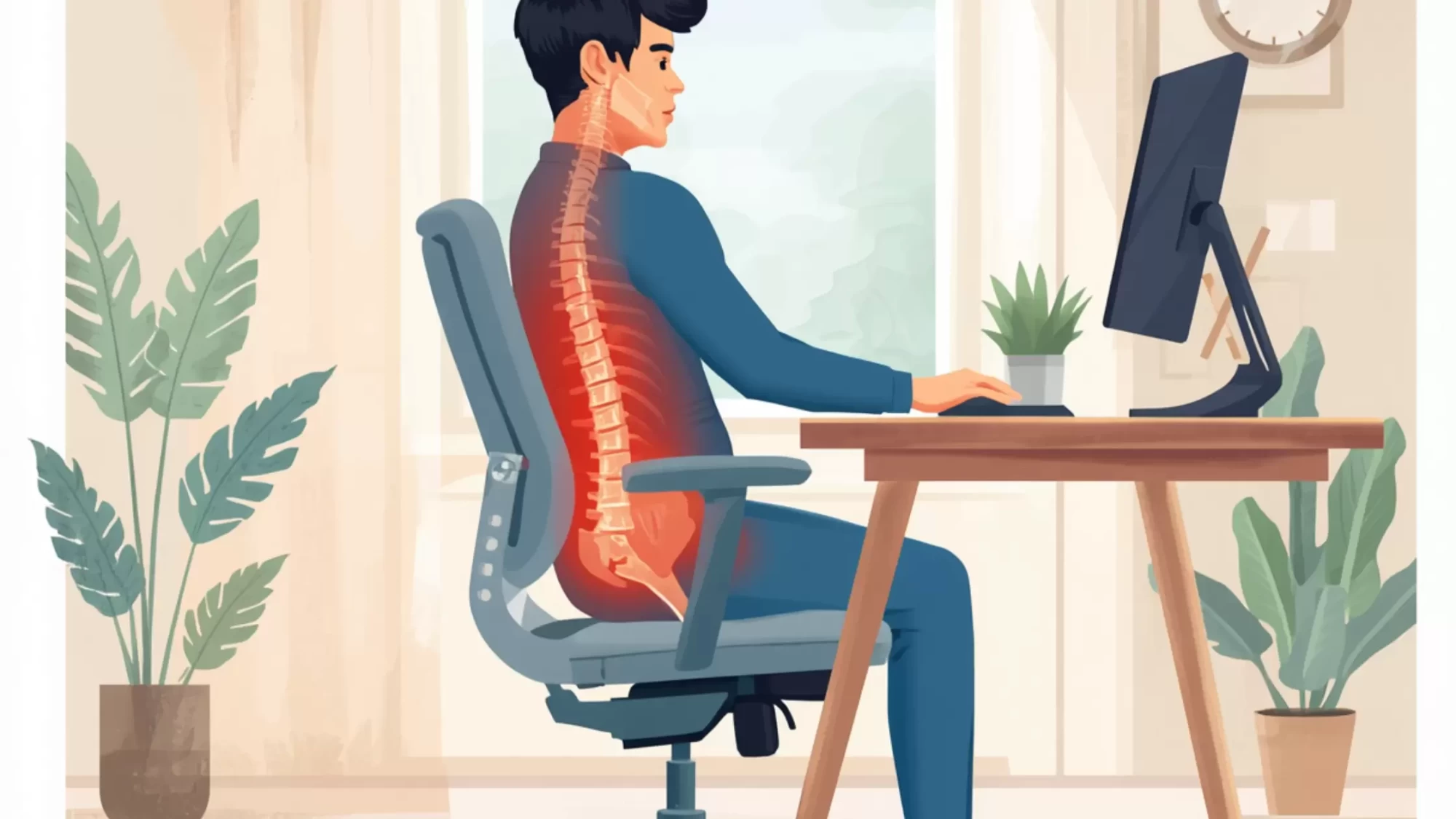
If you’ve spent the last few years working from a laptop on your kitchen table or a home office chair, you’ve probably noticed some new aches. Maybe your neck feels stiff, or your lower back is grumpy. But there is one symptom that most people don’t expect: a tight, clicking, or painful jaw.
At Acubody, we are calling this the WFH Jaw but you might know it as the TMJ syndrome because the symptoms are kind of similar. If your painful jaw is also associated with involuntary clenching, grinding, or gnashing of teeth, it is known as bruxism. It might seem strange to think that sitting at a desk could hurt your mouth, but your body is far more connected than you realise. If you feel like your teeth are always clenched, exploring the specialised Myofascial Release we offer can help you understand why the problem might actually start in your seat, not your face.
The Mystery of the Deep Front Line
To understand the WFH Jaw, we have to look at something called fascia. Think of fascia like a thin, cling-film wrap that covers every muscle and organ in your body. It isn’t just separate pieces; it’s one big, continuous web.
There is a specific train track of fascia called the Deep Front Line. This line of tissue runs all the way from your arches in your feet, up the inside of your legs, through your pelvic floor and hips, behind your heart, and finally connects to your tongue and jaw muscles.
When you sit for hours, your hip flexors (the muscles at the front of your thighs) become short and tight. Because everything is connected on that train track, the tension in your hips pulls down on the tissue in your chest and neck, eventually tugging on your mandible (your jawbone). Your jaw clenches simply to try and hold everything up!
How to Spot WFH Jaw
You might not even realise your jaw is the problem. Here are some common signs:
- The 3 PM Clench: You notice your top and bottom teeth are touching while you type.
- Clicking Ears: Your jaw makes a pop sound when you eat or yawn.
- The Hip-Jaw Connection: You notice that when your lower back or hips feel stiff, your headaches get worse.
- Temple Tension: A dull ache that feels like a tight band around your head.
Why Just Rubbing Your Face Doesn’t Work
Most people try to fix a tight jaw by rubbing their cheeks or using a mouthguard. While this might feel good for a minute, it doesn’t solve the tug-of-war happening in your fascia. If your hips are still pulling down on the line, your jaw will just tighten up again as soon as you sit back down.
At Acubody, we take a whole-body approach. We look at your posture and your movement habits. By using the most effective London Myofascial Release techniques, we work to lengthen the tissue in your hips and chest first. This slacks the rope, so your jaw can finally let go.
How We Help You Reset
In our clinic, we combine bodywork with acupuncture to get the best results. We often use points like ST7 (Xiaguan)near the ear to relax the jaw muscles directly, but we also use points like LV3 (Taichong) on the foot to help your whole nervous system relax and let go of holding patterns.
Small Changes for Big Relief
While we work on the deep tissue in the clinic, you can help yourself at home:
- The Tongue Rest: Try to keep your tongue resting gently on the roof of your mouth, just behind your front teeth. This keeps your jaw slightly open and relaxed.
- Hip Breaks: Every 30 minutes, stand up and stretch your hips. It sounds odd, but stretching your legs is one of the best things you can do for your face!
If your jaw feels like it’s in a permanent grip, don’t just ignore it. Come see us at Acubody for a consultation. We’ll help you find where the tension is really coming from and get you back to feeling loose, limber, and pain-free.