
 by admin
 26 January 2026
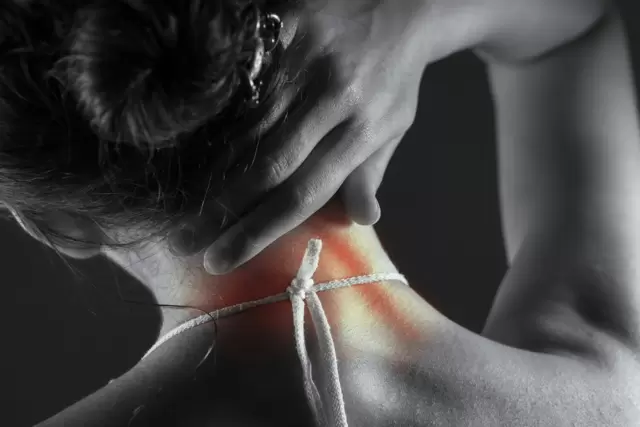
Sudden impact injuries can leave more behind than visible bruises or fractures. Many people walk away from such incidents believing they are unharmed, only to develop lingering discomfort days or weeks later.
This type of pain often feels deep, widespread, and difficult to pinpoint. This makes it frustrating for those trying to explain their symptoms to healthcare providers or loved ones.
Myofascial pain is one of the most common yet misunderstood outcomes of physical trauma. It involves the muscles and the connective tissue, known as fascia, that surrounds and supports them. When this system is disrupted by a sudden force, such as a fall or vehicle collision, the resulting pain patterns can extend far beyond the original site of impact.
What Happens to the Fascia During a Sudden Impact
The fascia provides structure and allows muscles to glide smoothly during movement. A sudden jolt can cause this tissue to tighten or form adhesions, limiting motion and altering how muscles function together.
When this happens, certain muscle groups may begin to overcompensate for others that are no longer moving freely. This imbalance can create trigger points, which are sensitive areas within the muscle that refer pain to other parts of the body.
Consider the example of a car accident, such as the one that occurred in Cleveland, Ohio. In October 2025, an illegal street racing incident near East 93rd Street and Crane Avenue resulted in a crash that damaged 10 vehicles. This left a 20-year-old driver and his 24-year-old passenger with serious injuries and hospitalized.
Someone injured in such an incident can face myofascial pain and may require treatment. Victims can connect with a Cleveland car accident lawyer to seek compensation for medical expenses and other damages.
According to the Piscitelli Law Firm, attorneys have the right experience to assess and calculate damages. They will also consider the extent of the injuries and potential delayed pain for accurate assessment.
Does hydration affect how well the fascia recovers after an injury?
Hydration plays a role in maintaining the elasticity and glide of the fascial tissue. When the body is dehydrated, fascia can become less pliable, which may contribute to stiffness and slower recovery. Drinking enough fluids supports healthier tissue movement and circulation.
Recognizing Pain Patterns After Trauma
One of the challenges with myofascial pain is that it rarely stays confined to one spot. The body operates as a connected system, so tension in one region can travel along fascial lines and create symptoms elsewhere, known as referred pain.
Referred pain has three main patterns: peripheral nerve referred pain, same nerve root radicular pain, and special referred pain. Peripheral nerve referred pain occurs when nerves passing through or near injured muscles transmit pain. Same nerve root radicular pain develops when irritation of one nerve branch influences other branches sharing the same spinal root.
Special referred pain includes less predictable patterns that do not follow known nerve pathways and remain poorly understood. Because these pain sensations often appear far from their trigger points, accurate diagnosis requires a strong understanding of nerve and muscle connections.
In the early stages, these patterns can be subtle. Stiffness upon waking, reduced range of motion, or a dull ache after sitting for long periods may seem unrelated to a past accident.
Can posture changes after an injury create new pain patterns over time?
Yes, altered posture is a common response to discomfort, as people often shift their weight or movement habits to avoid pain. These adjustments can strain other muscles and fascia, gradually creating additional pain patterns that feel unrelated to the original injury.
The Role of Therapeutic Bodywork
Hands-on therapies often focus on restoring movement within the fascia and improving muscle coordination. Gentle pressure, stretching, and guided movement can help release restrictions and encourage healthier patterns of motion. These approaches aim to address both the area of impact and the connected regions that may be contributing to ongoing discomfort.
Consistency plays a key role in this process. Regular sessions, combined with simple movement practices at home, can support gradual changes in tissue quality and overall mobility. Over time, many people notice improved posture, reduced sensitivity, and a greater sense of control over their bodies.
A Frontiers journal study provides an excellent example of this. It describes a rare case of spontaneous plantar fascia rupture in a healthy 35-year-old recreational cyclist with no prior trauma or risk factors.
The patient presented with localized pain, swelling, and difficulty bearing weight, and imaging confirmed a partial tear with surrounding inflammation. A conservative treatment plan involving rest, immobilization, physiotherapy, and gradual rehabilitation led to significant pain reduction, restored function, and complete healing within 12 weeks.
Emotional Stress and Its Influence on Physical Tension
Physical trauma rarely exists in isolation from emotional response. Emotional and psychological trauma happens when overwhelming events shatter a person’s sense of safety and security. This leaves them with persistent upsetting emotions, anxiety, numbness, and mistrust, and it can result from sudden horrific incidents or even indirect trauma exposure.
Symptoms span emotional, physical, and relational effects, such as shock, irritability, insomnia, and social withdrawal. The experience of an accident can lead to heightened alertness, disrupted sleep, and ongoing worry. These factors often show up in the body as tightened muscles and shallow breathing, which can intensify existing myofascial issues.
Addressing this aspect of recovery may involve relaxation techniques, mindful movement, or speaking with a professional who understands the connection between stress and physical health. Creating space for both physical and emotional care can make a meaningful difference in how the body adapts during the healing process.
Are there simple daily habits that help reduce stress-related muscle tension?
Yes, several simple daily habits can help ease stress-related muscle tension by calming the nervous system and encouraging the body to release unconscious tightening. Slow, deep breathing for a few minutes or gentle movement during the day helps improve circulation and prevents muscles from staying in a guarded state.
Supporting Long-Term Healing and Awareness
Understanding myofascial pain patterns helps individuals become more attentive to how their bodies respond to daily activities. Simple actions, such as adjusting workstations, taking regular movement breaks, and staying hydrated, can support healthier fascia and muscle function.
Paying attention to early signs of tension also allows for timely intervention. Seeking support before discomfort becomes deeply rooted can make recovery smoother and reduce the likelihood of chronic pain developing over time.
There are many bodywork techniques, including acupuncture, massage, and physical movements, that can be used in myofascial release therapy to treat the condition. It is a hands-on physical treatment that uses slow, sustained pressure and stretching to ease tension in muscles and connective tissue.
It is commonly applied to address issues such as muscle and joint pain, headaches, and neck or back discomfort. Myofascial release therapy has been shown to support recovery even after breast cancer surgery by improving shoulder mobility and upper limb function.
Sudden impact injuries often leave traces that extend far beyond the moment of the accident. Myofascial pain patterns reveal how interconnected the body truly is, showing that a single event can influence movement, comfort, and daily life in unexpected ways.
Through awareness, consistent care, and attention to both physical and practical needs, individuals can take meaningful steps toward restoring balance and easing long-term discomfort. Healing becomes a process of understanding the body’s signals and responding with patience, informed choices, and supportive therapies that encourage lasting improvement.
Guest Post