
 by admin
 20 November 2026

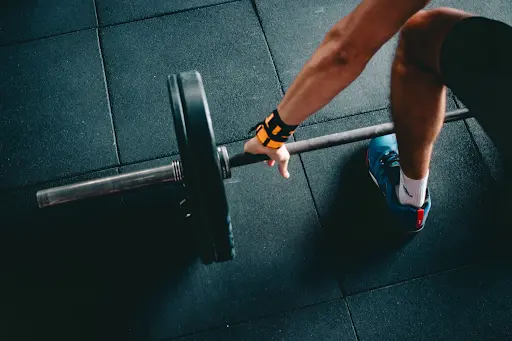
Struggling with grip strength despite consistent training can be frustrating, especially when your hands fatigue before the rest of your body. Persistent weakness, stiffness, and poor recovery can interfere with workouts, limit performance, and signal that your nervous system needs more attention. Understanding neurological fatigue, fascial restrictions, low-impact training, smarter training adjustments, and recovery techniques can help you rebuild grip performance without constantly pushing through exhaustion.
Grip Strength as a Window into Neurological Strain
A firm grip depends on coordinated signals traveling from the brain through the spinal cord and peripheral nerves to the forearm and hand. When recovery is poor, that signalling may become less efficient. Your hands can feel slow or unresponsive even when the muscles aren’t particularly sore.
Grip dynamometers provide objective measurements, but you can also track repeatable tasks such as a timed bar hold. Test under similar conditions and compare trends, not isolated scores. Research into hand grip strength also shows its value when assessing upper-extremity function and quality of life in clinical populations.
If performance stays below your normal range for several sessions, reduce training volume and examine your sleep, nutrition, and overall workload.
Fascial Restrictions in the Upper Extremities
Grip weakness doesn’t always begin in the nervous system. The fingers, wrist, forearm, elbow, and shoulder work as a connected chain. Stiffness or sensitivity anywhere along that chain can alter movement and make gripping feel harder.
Start with gentle wrist circles, finger extensions, and slow forearm rotations. A soft ball can be used for light tissue work, but intense pressure on an irritated area may make symptoms worse. During heavy pulling sessions, weightlifting straps can reduce the amount of sustained grip effort required, giving the hands and forearms some relief while you train the back.
Persistent pain, numbness, or tingling needs professional assessment. Several hand conditions affecting grip can produce similar symptoms, so don’t assume every decline comes from training fatigue.
Smart Training Tools for Neural Offloading
Neural offloading means lowering the coordination and force demands placed on an already tired system. Start by reducing working sets or leaving two to three repetitions in reserve. Machines and supported exercises can also decrease stabilization demands while keeping the target muscles active.
Exercise selection matters. If your grip fades during rows, use a chest-supported variation and control each repetition. If bar holds feel unstable, swap maximal efforts for lighter timed holds until performance returns. Avoid testing your limit every day since repeated maximal contractions add fatigue without providing much useful information.
Track three simple markers after each session: grip performance, perceived effort, and sleep quality. When all three deteriorate for several days, a lighter training week is usually more productive than forcing normal loads.
Restoring Autonomic Tone Through Acupuncture
The autonomic nervous system helps regulate heart rate, digestion, sleep, and the shift between alertness and recovery. High training stress may leave you feeling tired but wired, which can interfere with sleep and slow physical recovery.
Acupuncture may support relaxation and symptom management for some people, although responses vary and it shouldn’t be presented as a direct cure for neurological fatigue. A qualified practitioner will consider your sleep, muscle tension, pain pattern, and training schedule before developing a treatment plan. Sessions may focus on reducing discomfort and encouraging a calmer state that makes rest easier.
Combine treatment with consistent bedtimes, adequate food, and lower evening stimulation. Seek medical care promptly if grip loss is sudden, one-sided, or accompanied by weakness elsewhere, facial changes, or difficulty speaking.
Grip trends are most useful when they guide measured adjustments. Record a consistent test once or twice a week, then respond to sustained changes with lighter loading, better recovery, and appropriate clinical support. Your hands may provide an early signal, but the pattern surrounding that signal tells the fuller story.