
 by admin
 19 August 2026
Introduction
Peak athletic performance is often viewed as the result of natural talent, hard work, and determination. While these factors certainly play an important role, modern sports science has revealed that elite performance is influenced by a complex combination of physiology, psychology, nutrition, recovery, and training methods. Athletes today benefit from a deeper understanding of how the human body responds to physical stress and adapts over time. Whether competing professionally or pursuing personal fitness goals, understanding the science behind high-level performance can help individuals maximize their potential while reducing the risk of injury.
Understanding the Body’s Physical Capabilities
At the core of athletic performance is the body’s ability to generate power, endurance, speed, and coordination. These abilities are largely determined by factors such as muscle composition, cardiovascular efficiency, and nervous system function. Muscles contain different types of fibers, with some designed for explosive movements and others better suited for sustained activity. The balance between these fibers can influence whether an athlete excels in sprinting, distance running, weightlifting, or other sports.
The cardiovascular system is equally important. Efficient delivery of oxygen and nutrients to working muscles allows athletes to maintain performance for longer periods. Through consistent training, the heart becomes stronger, circulation improves, and oxygen utilization becomes more effective. These adaptations help athletes perform at higher intensities while delaying fatigue.
The Role of Training and Adaptation
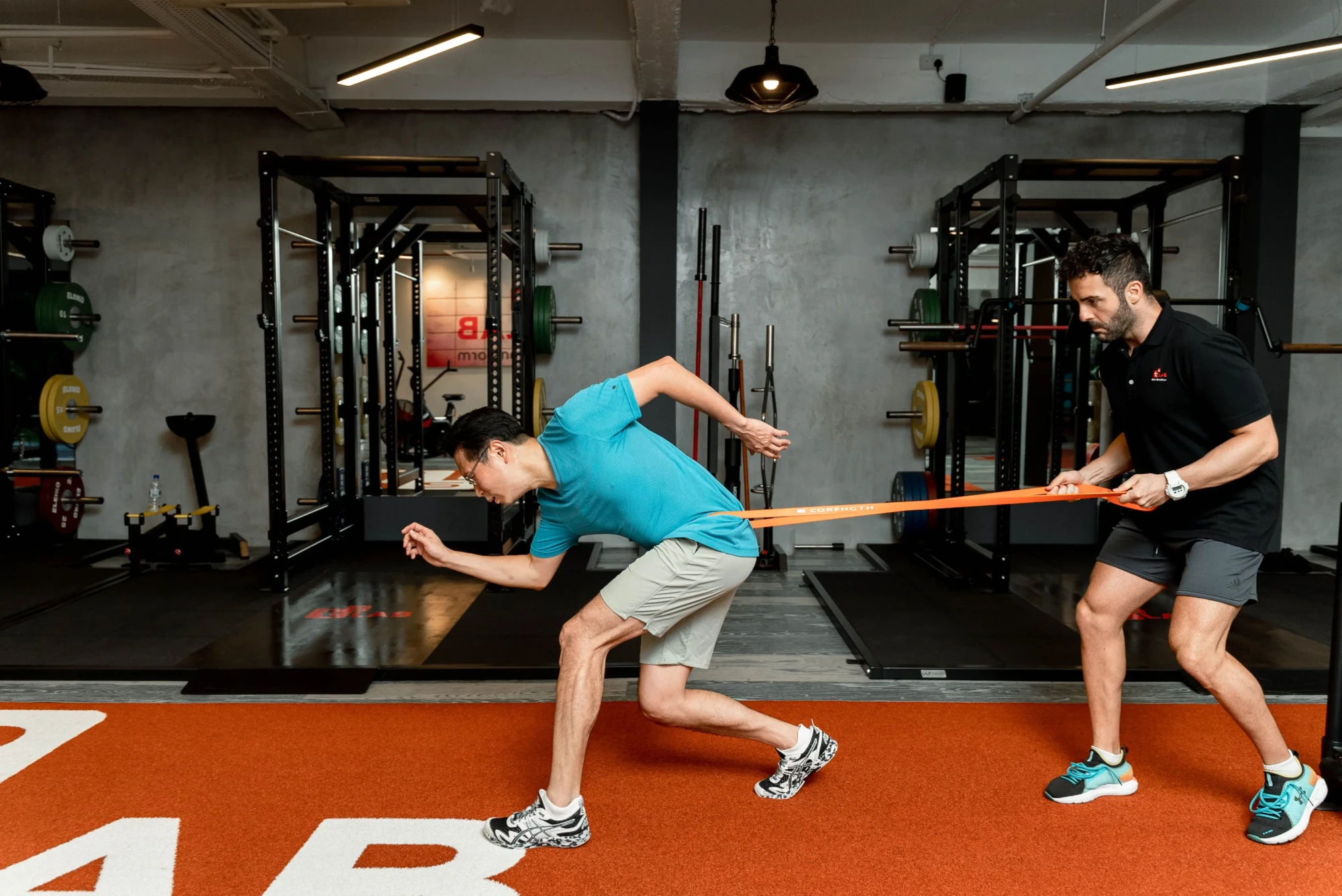
One of the most fascinating aspects of sports science is the body’s ability to adapt to physical challenges. Training places stress on muscles, bones, tendons, and the cardiovascular system. Given adequate recovery, the body responds by becoming stronger and more efficient. This concept, known as progressive overload, forms the foundation of most successful training programs.
Modern coaches use data-driven strategies to optimize training intensity and volume. Rather than relying solely on intuition, many teams now monitor workload, heart rate variability, sleep quality, and movement patterns. These measurements help ensure athletes are challenged enough to improve without being pushed into overtraining.
Many organizations are also investing in specialized systems such as an athletic longevity program that focuses not only on current performance but also on maintaining health and competitiveness throughout an athlete’s career. These programs often incorporate injury prevention strategies, mobility training, nutritional guidance, and personalized recovery plans.
Nutrition as a Performance Tool
Athletic success is heavily influenced by what happens outside of training sessions. Nutrition provides the fuel required for exercise and the building blocks needed for recovery. Carbohydrates serve as a primary energy source during high-intensity activity, while protein supports muscle repair and growth. Healthy fats contribute to hormone production and long-term energy needs.
Hydration is another critical component that is sometimes overlooked. Even mild dehydration can reduce endurance, impair concentration, and negatively affect physical performance. Athletes must carefully manage fluid intake before, during, and after activity to maintain optimal function.
The timing of meals can also make a difference. Consuming nutrients before workouts helps provide energy, while post-exercise meals assist with muscle recovery and glycogen replenishment. As sports nutrition continues to evolve, athletes increasingly rely on evidence-based strategies rather than trends or unverified supplements.
Recovery: The Hidden Factor in Success
While intense training often receives the most attention, recovery may be just as important for achieving peak performance. During recovery periods, the body repairs damaged tissues, replenishes energy stores, and adapts to previous training loads. Without adequate recovery, gains can stall and injury risk may increase.
Sleep is perhaps the most powerful recovery tool available. During deep sleep, the body releases hormones that support tissue repair, muscle growth, and immune function. Athletes who consistently get sufficient sleep often demonstrate better reaction times, improved decision-making, and enhanced physical performance.
Beyond sleep, recovery methods may include stretching, mobility work, massage therapy, active recovery sessions, acupuncture, and stress management techniques. The goal is not simply to rest but to create conditions that allow the body to perform at its highest level over the long term.
The Mental Side of Athletic Excellence
Physical preparation alone does not guarantee success. Mental skills often separate elite athletes from their competitors, especially in high-pressure situations. Confidence, focus, resilience, and emotional control all contribute to athletic outcomes.
Sports psychologists frequently work with athletes to develop strategies for managing performance anxiety and maintaining concentration. Visualization techniques allow competitors to mentally rehearse movements and scenarios before they occur. Mindfulness practices can improve awareness and help athletes stay present during competition.
Motivation is another powerful factor. Athletes who establish meaningful goals and maintain a growth-oriented mindset tend to remain committed during setbacks and periods of slow progress. The ability to recover mentally from failure is often just as valuable as physical recovery after hard training sessions.
Conclusion
The science behind peak athletic performance extends far beyond natural ability or hours spent practicing. Success is built upon a foundation of physical conditioning, intelligent training, proper nutrition, effective recovery, and strong mental preparation. Advances in sports science continue to provide athletes with new insights into how the body and mind work together to achieve exceptional results. By understanding and applying these principles, athletes at every level can improve performance, reduce injury risks, and unlock greater potential throughout their athletic journey.
Collaborative post