by admin
 14 January 2026
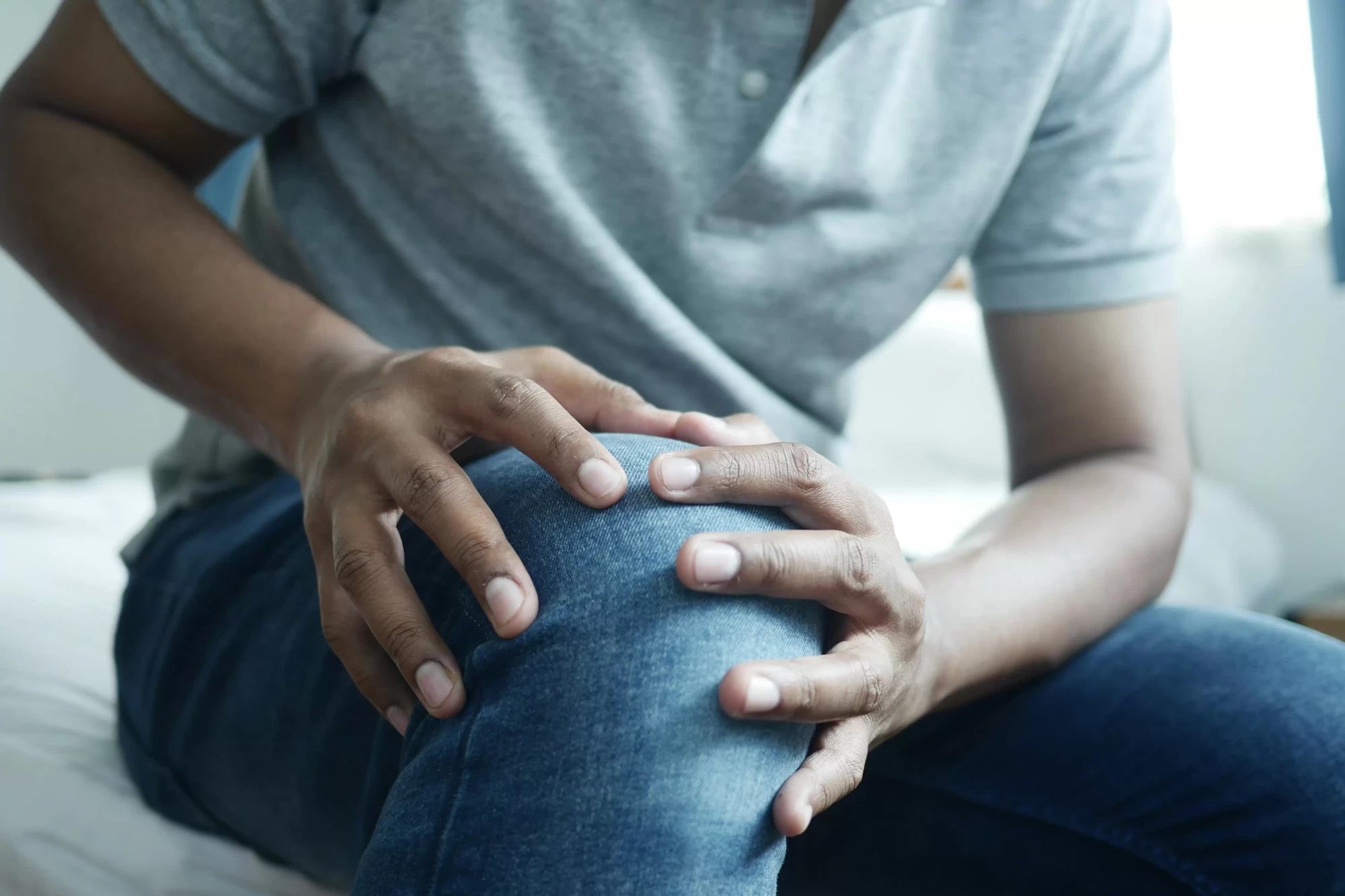
You may think that a minor injury will heal on its own. The pain feels light at first. Movement still feels possible. Life goes on. Then the discomfort stays.
Sometimes, it worsens. This can feel confusing and even worrying. You expect your body to bounce back quickly after a slight bump or fall. However, the absence of a broken bone doesn’t mean your tissues are safe.
Healing doesn’t depend solely on visible damage. Many delays happen beneath the surface. Muscles, nerves, and connective tissue often react in subtle ways. When these systems are disrupted, recovery slows.
Your body might remain in a protective state long after the event ends. Identifying the cause of these slowdowns helps you respond sooner and avoid short-term solutions. This more in-depth look explains how minor incidents can trigger complex internal stalls.
Why Healing Can Stall Even After a Seemingly Small Injury
Sudden injuries place stress on the body even when damage isn’t visible. Muscles brace, joints absorb force, and soft tissue stretches beyond normal limits. This internal strain goes unnoticed at first.
According to Johns Hopkins Medicine, healing follows four stages: clotting, inflammation, tissue rebuilding, and strengthening. New tissue may regain about 80% of its original strength within three months, but full repair takes longer. However, poor blood and low oxygen delivery can slow this progress.
Daily travel adds to this risk. In active urban areas, sudden impacts happen more often than expected. For instance, authorities urged caution after a string of dangerous crashes across metro Atlanta. According to Atlanta News First, incidents included bus collisions, wrong-way driving, and highway crashes during peak travel times.
Officials warned both drivers and pedestrians to stay alert on busy roads. These warnings matter because force doesn’t always cause immediate pain. Symptoms may appear later. Pain can develop days after impact as inflammation builds. This delay often creates doubt.
When delayed symptoms raise concerns, some people seek clarity beyond medical care. Atlanta Personal Injury Law Firm reveals that personal injury lawyers can help individuals understand their options while they focus on recovery. The takeaway is simple and often overlooked. Minor impact does not mean minor stress on the body.
Factors That Slow the Body’s Repair Process
Healing speed varies between people. Even small injuries depend on internal systems working well. When those systems struggle, recovery slows without obvious warning signs.
Medical News Today explains that poor circulation limits oxygen and nutrient delivery, which are essential for tissue repair. Infection is a key barrier, since the body must fight bacteria before healing can continue.
Chronic conditions such as diabetes further delay recovery by reducing blood flow and nerve response. Smoking and alcohol use also interfere with healing. Smoking lowers oxygen levels, while alcohol weakens immune function and slows tissue repair.
Poor sleep contributes to this problem by reducing nighttime repair signals the body relies on. Daily stress compounds these issues over time. High stress keeps your body in defense mode as the blood flow shifts away from healing areas. Muscles tighten, and inflammation lingers longer than needed.
Nutrition plays a role as well. Protein supports tissue rebuilding, while vitamins help the body with immune response. Likewise, gaps in nutrition slow recovery without clear symptoms.
Manual therapies, guided movement, and body-based treatments can help restore balance. These practices support circulation and help the body return to a healthier state.
Why Pain Sometimes Appears Days After the Injury
Pain doesn’t always appear right after an injury. Delayed symptoms are common after sudden physical stress. Adrenaline and shock can initially mask the pain. Your body focuses on staying safe, not signaling discomfort. However, once the adrenaline fades, inflammation and nerve activity increase.
According to Nolo, many injuries involve soft tissue, such as muscles, ligaments, and tendons. These tissues swell gradually, not immediately. As inflammation builds over hours or days, symptoms, such as neck stiffness, back pain, headaches, numbness, or tingling, can appear later. This gap makes it harder to connect pain to the original incident.
Nolo also notes that people commonly assume delayed pain is minor or unrelated, which leads them to ignore early warning signs. When symptoms surface later, confusion sets in. You may question whether the injury matters. Many people wait, expecting pain to fade. But waiting too long can change how your body moves.
Other muscles compensate for injured areas. This creates strain and imbalance. Early attention helps prevent these patterns. Listening to delayed pain can reduce the risk of long-term discomfort. When pain lingers beyond tissue healing, another system often plays a role.
The Nervous System’s Role in Lingering Pain
Pain isn’t always a reflection of ongoing tissue damage. After an injury, your nervous system plays a crucial role in determining whether the pain persists or subsides.
A 2025 Frontiers in Pain Research paper explains that pain is both a sensory and emotional experience shaped by the autonomic nervous system. This system controls the stress responses, like muscle tension, heart rate, and inflammation. When the sympathetic branch stays active for too long, pain signals become amplified, even after tissue repair begins.
Prolonged stress can lead to muscle tightness and exacerbate inflammatory activity. This creates ongoing discomfort without visible injury. The research also notes that chronic stress alters hormone levels, including cortisol, which can worsen pain sensitivity over time. Sleep disruption further complicates this problem.
Poor sleep increases pain sensitivity and reduces the body’s ability to regulate stress responses. Together, these changes make pain feel persistent and harder to resolve. When the nervous system stays overstimulated, recovery often requires support that helps restore balance rather than force movement.
Acupuncture can help regulate nervous system activity. It may help reduce stress-driven tension and restore balance. When regulation improves, pain becomes easier to manage.
People Also Ask
1. Why do some minor injuries take months to heal completely?
Recovery depends on the total stress your body is carrying. If you are nutrient-deficient or chronically stressed, your cells lack the energy required for tissue remodeling. This metabolic drain stalls the final strengthening phase, turning a simple strain into a persistent, long-term physical burden.
2. Can emotional stress physically prevent a wound or injury from closing?
Yes, high cortisol levels from emotional distress act as a biological brake on the healing process. Stress hormones suppress the production of pro-inflammatory cytokines, which are crucial to injury site cleanup. Without this initial “cleanup” phase, the body cannot move forward to grow new, healthy tissue, regardless of injury size.
3. What is the fastest way to improve circulation for swifter injury recovery?
While rest is vital, gentle, controlled movement is often better for blood flow than total immobility. Light activity helps the lymphatic system remove metabolic waste from the injured area. This prevents the “stagnation” that generally causes minor injuries to feel stiff and unresponsive for weeks after the initial impact.
Minor injuries can still slow healing. Inflammation, stress, delayed symptoms, and nerve responses all play roles. Pain that lingers isn’t random. It signals an imbalance inside the body. When you understand these factors, you can respond sooner. With proper support, healing becomes steadier and more complete.