
 by admin
 9 March 2026
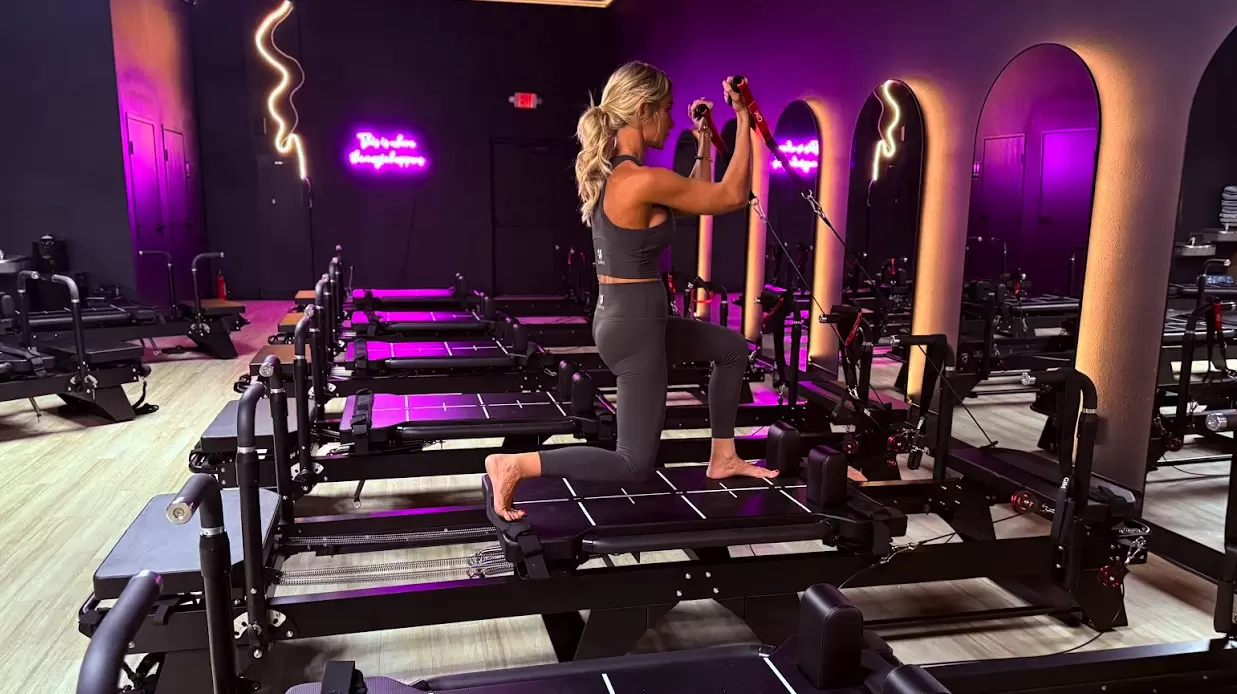
Low-impact training has a branding problem. It sounds polite. It sounds like something people do on a “rest day.” Then a well-designed low-impact session happens, and the legs shake anyway. The truth is simple. Impact and effort are not the same thing.
It is also the reason reformer-based training has taken off. The work can be heavy, controlled, and precise. The joints usually feel better afterward, not worse. For people who want strength and stamina without feeling beaten up, that trade-off is hard to ignore.
What Low-Impact Training Really Means
“Low impact” is not a style. It is a constraint. It simply means the body is not absorbing big shock forces on each rep. Harvard Health also recommends low-impact exercise as a joint-friendly way to stay active, especially when pain flares.
A quick self-check helps. If a movement makes a loud thud when feet hit the floor, it is usually higher impact. If the movement stays quiet, controlled, and smooth, it is usually lower impact. That does not make it easier. It just changes where the stress goes. Less stress on joints. More work for muscles.
This matters for real-life training. A plan that feels joint-friendly is easier to repeat. Repeatable training is where results come from, especially for strength and endurance.
How Low Impact Builds Serious Strength
Strength improves through progressive overload. Adults also need at least 2 days of muscle-strengthening activity each week, according to the CDC’s adult activity guidelines. That means doing slightly more over time. It can be more resistance, more total reps, more sets, or a harder variation. The body adapts when it gets a consistent, repeatable challenge.
Low-impact training supports that process because it is usually easier to repeat. When joints feel safer, training tends to stay consistent. That consistency is the real secret. A plan done three times a week for months usually beats a plan done twice, then paused for pain.
The result is strength that feels more “usable.” It often shows up as better posture, better control, and fewer aches from daily life.
Why Low Impact Can Still Build Endurance
Endurance is not only running. Endurance has layers. There is cardiovascular endurance, where the heart and lungs sustain a pace. There is muscular endurance, where muscles repeat effort without failing. There is also local endurance, like glutes staying strong in long sets, or shoulder stabilisers staying steady under fatigue.
Low-impact training can build all of these. The key is how sessions are structured. Longer sets build muscular endurance. Shorter rests raise cardiovascular demand. Interval blocks can train both at once, as long as form stays controlled.
Why Controlled Training Feels Harder Than People Expect
Many low-impact methods feel “sneaky hard” for a few reasons. Stabiliser muscles work constantly. Core, hips, and shoulders stay engaged through most movements. That drains endurance faster than people expect.
Controlled training also removes momentum. Momentum can mask weak ranges. Slow, strict reps expose them. That is a good thing for progress, but it can feel humbling at first.
Breathing also plays a role. Many low-impact systems teach paced breathing during effort. That increases focus and helps with pacing. It can also make the session feel more mentally demanding. For many people, that focus becomes a benefit because attention stays on the body instead of stress loops.
Why Joint Friendly Training Supports Recovery
Most people often care about recovery, mobility, and pain patterns. Low-impact training fits well in that world because it builds capacity without constant joint irritation. When training is joint-friendly, it often becomes easier to train more regularly. That helps reduce stiffness and supports long-term results.
Low-impact training can also support nervous system regulation. When sessions are controlled and breath-led, the body often shifts out of a tense “on” state. That can support better sleep, better mood, and improved recovery over time.
Why Reformer Training Is a Strong Low-Impact Option
Reformer training stands out because it blends resistance with control. Springs create load through a full range of motion. The moving carriage adds a stability demand that challenges the core, hips, and shoulders. This lets people train legs, glutes, upper body, and trunk without high-impact forces.
In the USA, many people search for high-intensity reformer machines using brand terms. It still helps to compare the machine itself, not only the name. Practical factors matter more, like carriage smoothness, spring options, platform space, durability, and warranty support.
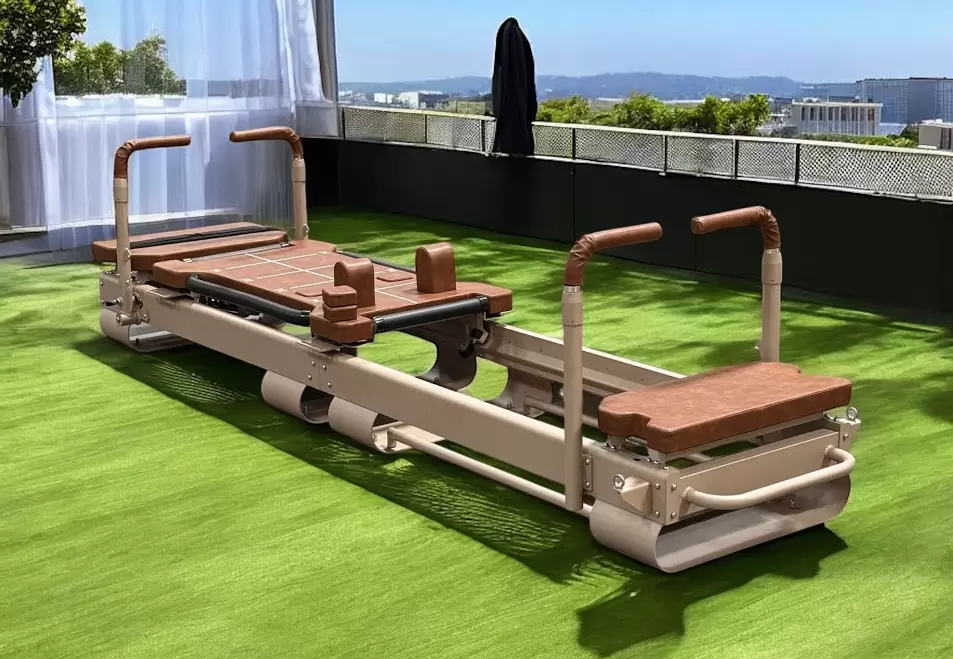
For anyone researching a good Lagree machine for sale, those practical checks help narrow options based on real training needs. The Sculptformer is one high-intensity reformer option that some buyers consider when they want this training style for home or studio use.
How To Progress Without Overuse
Low impact protects joints from pounding, but it can still irritate tissue if volume jumps too fast. This is where most people get tripped up. A new training style feels exciting, progress feels quick, and suddenly sessions pile up. Then a shoulder starts nagging, a hip flexor feels cranky, or wrists feel sore during planks.
The fix is boring, but it works. Build the habit first. Keep the weekly schedule stable. Let the body adapt to the new patterns before chasing intensity. With reformer work, the stabilisers fatigue early, even when the movements look controlled. That fatigue is a warning light. It means the nervous system is still learning the demands.
Conclusion
Low-impact training can build serious strength and real endurance. It does not rely on pounding joints to create results. It uses control, resistance, and smart session structure to challenge muscles and the cardiovascular system.
For many people, that joint-friendly approach is the reason progress finally sticks. When the body feels safe enough to train consistently, strength rises, stamina improves, and recovery becomes easier to manage.