
 by admin
 13 March 2026
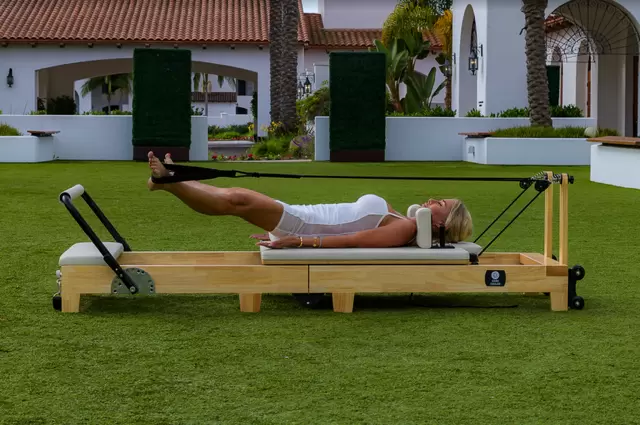
Fitness is changing because daily life has changed. Fewer people have time for long gym visits, and fewer people want workouts that leave joints feeling beaten up. Traditional gyms still help many goals, but the old routine can feel fragmented. A machine for legs, another for arms, then a treadmill to “get cardio in.”
Modern reformers offer a more connected way to train. Strength, control, and conditioning can happen in the same session, without bouncing around the gym floor. The resistance is adjustable, movement stays guided, and the workout can be built for different bodies and different needs.
Why Traditional Gym Gear Feels Less Complete Now
Traditional gym equipment is often designed for one job at a time. Cardio machines build endurance, but they do not build much full-body strength. Weight machines build muscle, but they usually lock the body into fixed paths. That can feel safer for beginners, yet it also reduces the need for balance, coordination, and trunk control.
Impact fatigue is another reason people look for alternatives. Running, jumping, and hard landings can feel great for a while. Over time, knees, hips, and ankles may start to complain, especially if recovery, sleep, or footwear are not ideal. When cardio becomes uncomfortable, it becomes easier to skip it, and skipping becomes a habit.
The Reformer Advantage: Strength And Cardio In One Flow
A modern reformer uses springs for resistance and a moving carriage for feedback. The moving platform is not a gimmick. It forces the body to control motion while producing force. That creates steady muscular tension through long ranges of motion, and it keeps the workout honest because alignment matters.
Once the basics are clear, comparing models becomes much easier. A well-built Pilates machine for home studios should suit the space, match the training style, and feel easy to use often.”
Many reformer sessions are built as circuits or timed blocks. That structure changes the feel right away. Instead of doing a set, resting, and walking to the next machine, the body stays engaged. Heart rate rises because large muscle groups keep working, and transitions are usually shorter.
Healthline has a clear overview of what reformer Pilates trains across the whole body, including the main benefits.
Why Core Training Feels More “Real” On A Moving Platform
Core training is not only about abs. The core is the deep support system that controls the spine and pelvis. It helps transfer force between the upper and lower body, and it keeps movement efficient.
A reformer changes that demand without needing heavy weights. Because the carriage moves, the trunk and hips must stay organised while arms or legs apply force. That trains stability under effort, not stability as a separate add-on at the end of a workout. Over time, this can improve balance, posture, and confidence with movement.
Strong core control also protects joints. When the trunk stays stable, knees and shoulders often track better under fatigue. That matters in training, and it matters in daily life too. Mayfield Clinic explains the role of core strength in supporting the spine.
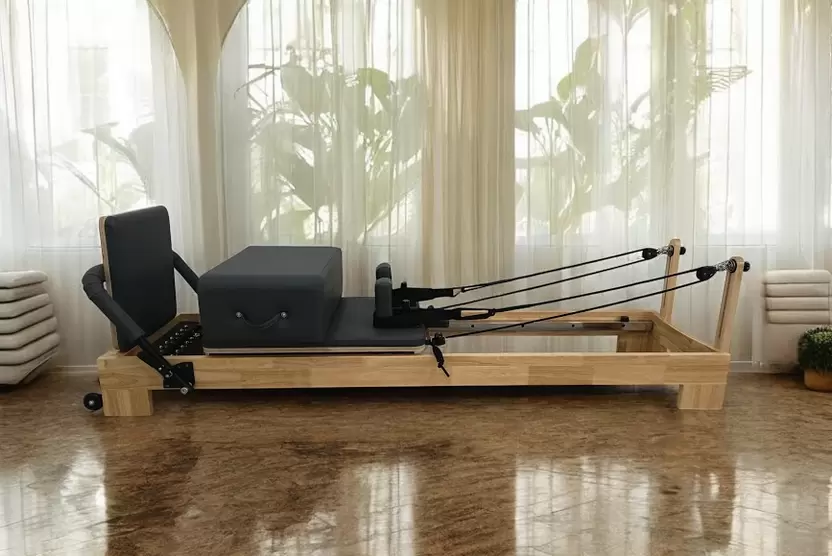
Cardio Without Pounding: Why It Works For More Bodies
Many people want cardio, but they do not want the joint stress that often comes with it. Reformer conditioning raises heart rate through muscular demand, continuous movement, and limited rest, not through repeated impact. That is a major reason reformer training attracts people who feel worn down by running or jumping.
Modern formats often use intervals. Work blocks are timed, transitions are quick, and the session alternates muscle groups to keep the body moving. Heart rate rises because resistance remains present while the workout keeps flowing.
What To Look For In A Modern Reformer
Not every reformer is built for higher-effort training. Some are designed for slower classical work, which can be excellent for mobility and technique. For gym-replacement goals, the machine should handle stronger resistance choices and faster transitions without feeling unstable.
Key features to prioritise include:
- A stable frame that feels solid under load
- Smooth carriage tracking with consistent glide
- Multiple spring choices for progression
- Adjustable footbar and straps for different body sizes
- Enough carriage travel for full-range movement
Home users should also think about the practical side. Floor space, storage, and noise can affect consistency more than people expect. Equipment should fit the routine, not fight it.
Reformer Vs. Traditional Gym Gear: A Clear Snapshot
| Goal | Traditional Gym Equipment | Modern Reformer Training |
| Strength | Often isolated muscles | Full-body chains under tension |
| Cardio | Repetitive machines | Intervals mixed with resistance |
| Core | Easy to bypass | Built-in stability demand |
| Joint Load | Can be high impact | Often lower-impact options |
| Variety | Can feel repetitive | More movement patterns per session |
| Time | Longer to cover all goals | Efficient sessions in one flow |
Who Benefits Most From Making The Switch
Modern reformers can help beginners and experienced athletes. The best fit is often someone who wants results with less joint stress and less wasted time, while still training hard.
A reformer-based routine may be a strong match when:
- Workouts need to be shorter, but still effective
- Knees, hips, or ankles dislike high-impact cardio
- Core stability feels like a weak link
- Motivation drops with repetitive gym sessions
- Movement quality matters as much as intensity
Final Takeaway
Modern reformers are replacing traditional gym gear because they match how people train now. They save time, reduce impact, and blend strength with conditioning in one session. They also train core control in a way that carries into daily life and sport, which is why many people feel stronger outside the gym, too.
The best results come from a simple approach: choose equipment that fits the goal, build a repeatable weekly structure, and prioritise control as intensity rises. When training feels effective and manageable, it becomes consistent, and that is where real progress lives.
Guest Post