 by admin
 26 August 2026
Children can experience many health concerns as they grow, from sleep difficulties and digestive problems to stress and physical discomfort. For children with congenital conditions such as microtia, healthcare may also involve hearing assessments, specialist appointments, and discussions about reconstructive pediatric surgery.
Alongside conventional pediatric care, some families explore complementary approaches such as pediatric acupuncture. When used appropriately, acupuncture may provide supportive care for certain symptoms, but it should not replace necessary medical or surgical treatment.
What Is Pediatric Acupuncture?
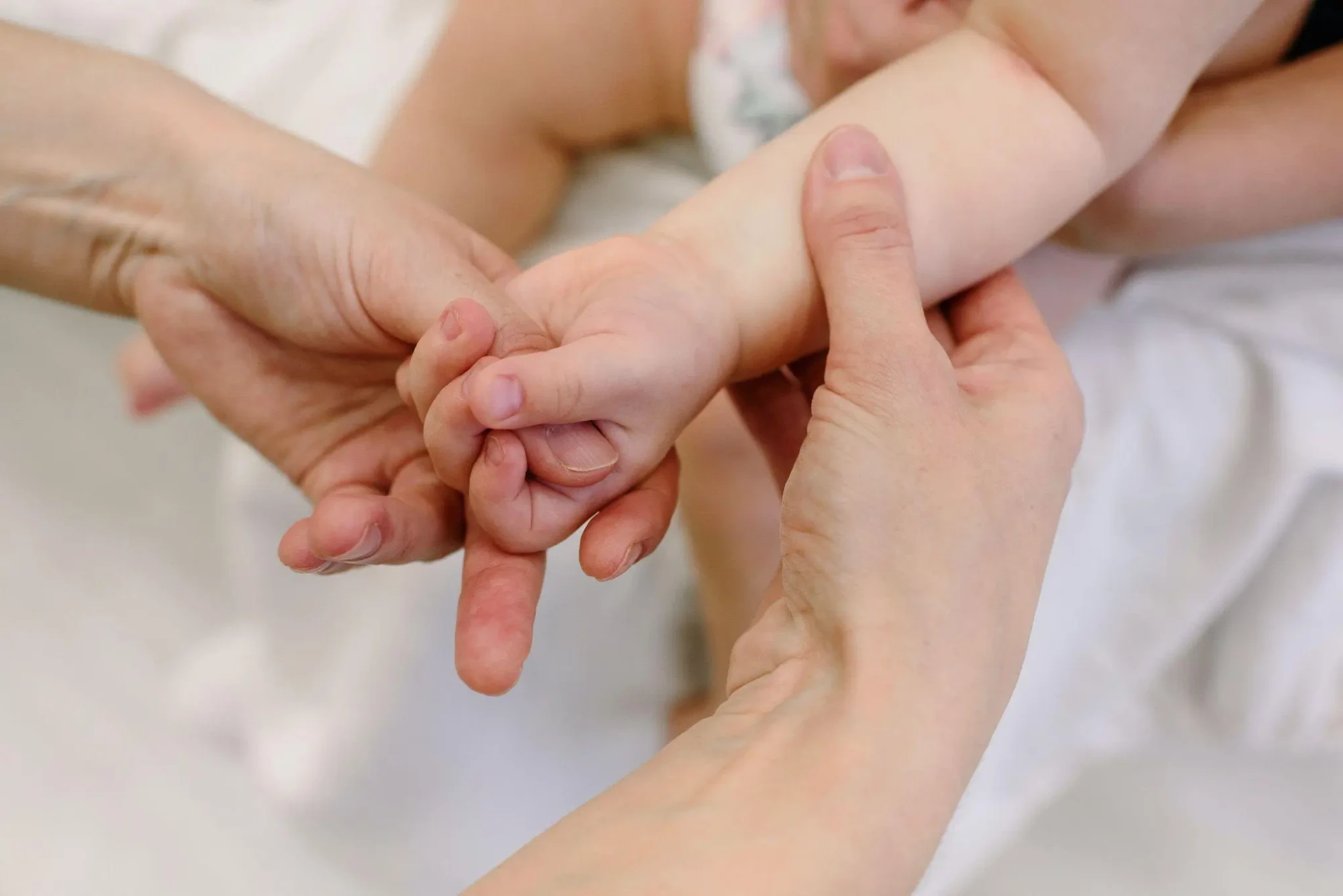
Acupuncture traditionally involves stimulating specific points on the body using very fine needles. Pediatric acupuncture adapts this approach to suit a child’s age, sensitivity, symptoms, and comfort.
Treatment may involve fewer needles, shallow insertion, acupressure, gentle massage, or non-needle stimulation. Some practitioners also use Shonishin, a Japanese pediatric technique that gently taps or brushes areas of the skin without puncturing it.
Parents are often involved in appointments, helping children feel comfortable while providing useful information about symptoms, sleep, appetite, behaviour, and general well-being.
How Does Traditional Chinese Medicine Explain Acupuncture?
In Traditional Chinese Medicine, commonly called TCM, health is traditionally connected with the balanced movement of an energy known as Qi. Qi is described as travelling through pathways called meridians. Traditional acupuncture aims to stimulate selected points along these pathways to support balance.
Modern research considers acupuncture differently. Studies have examined possible effects on the nervous system, pain signalling, circulation, and natural chemicals such as endorphins.
Studies have suggested potential benefits for certain symptoms, but evidence varies between conditions and age groups. Pediatric acupuncture is therefore best viewed as a complementary approach rather than a treatment with guaranteed results.
How Does Acupuncture Fit Into Care for Children With Microtia?
Microtia is a congenital condition in which the external ear does not fully develop. Some children with microtia also experience hearing difficulties and may receive ongoing care from audiologists, ear, nose, and throat specialists, pediatricians, and reconstructive surgeons.
Depending on the child’s individual needs, reconstructive pediatric surgery may eventually be considered. Microtia reconstruction can involve creating an external ear framework using the child’s own rib cartilage or another suitable material.
Pediatric acupuncture cannot correct microtia, reconstruct the ear, or address its underlying structural differences. Its potential role is much narrower. Families may consider complementary care for concerns surrounding the wider healthcare experience, including temporary discomfort, stress, sleep disruption, or anxiety.
Could Acupuncture Support Children Around Pediatric Surgery?
Surgery can be stressful for children even when they understand why treatment is needed. Changes in routine, unfamiliar surroundings, discomfort, and anticipation of a procedure may affect sleep, appetite, and emotional well-being.
Following microtia surgery, children may also need time to heal and temporarily limit certain activities. Protecting the reconstructed ear and following postoperative instructions are important parts of recovery.
Some studies have explored acupuncture for symptoms such as postoperative pain and nausea. However, evidence in children remains limited and condition-specific.
Parents considering pediatric acupuncture before or after surgery should speak with the child’s surgical team first. Complementary treatment must not interfere with surgical sites, wound healing, prescribed medication, pain management, dressings, or postoperative instructions.
What Childhood Concerns May Be Discussed With an Acupuncture Practitioner?
Families may explore paediatric acupuncture for several concerns, including:
- Physical discomfort and certain types of pain
- Nausea and digestive symptoms
- Headaches
- Sleep difficulties
- Stress and anxiety
- Certain allergy-related symptoms
- General relaxation
Some children may experience changes quickly, while others may notice gradual improvement or no meaningful difference. Persistent or unexplained symptoms should always receive appropriate medical assessment.
What Happens During Pediatric Acupuncture Treatment?
A first appointment usually begins with a discussion about the child’s medical history, symptoms, sleep, digestion, energy levels, medications, and previous treatment.
The practitioner can then adapt the session to the child. Younger children may receive non-needle techniques, while children who are comfortable with acupuncture may have a small number of fine needles inserted briefly.
Pediatric sessions are often shorter than adult treatments. Parents should feel comfortable asking which techniques will be used, how long treatment will take, and how progress will be assessed.
Is Pediatric Acupuncture Safe?
Acupuncture generally has a relatively low risk of serious complications when performed appropriately by a trained practitioner, although temporary soreness, bruising, or minor bleeding can occur.
Children should receive treatment from qualified practitioners with relevant pediatric experience. Sterile, single-use needles should always be used when needle acupuncture is performed.
Extra care is necessary for children undergoing surgery. Practitioners should know about upcoming or previous procedures, medications, surgical sites, and instructions from the child’s medical team.
How Can Acupuncture Become Part of Children’s Healthcare?
The most practical way to consider paediatric acupuncture is as one possible element of broader, coordinated healthcare.
For a child with microtia, that care may include hearing assessments, specialist appointments, reconstructive surgery, postoperative monitoring, and emotional support. Acupuncture does not replace these treatments, but it may be considered for selected supportive needs when appropriate.
Every child’s experience is different. By combining appropriate pediatric medicine, specialist care, family support, and carefully considered complementary approaches, we can keep the focus on what matters most: the child’s safety, comfort, development, and overall well-being.